2:00pm GMT - Monday 10th Feb, 2026
Why Workplace Mental Health
Initiatives Don’t Work (And What Actually Does)
Many organisations invest heavily in workplace mental health initiatives, yet stress-related absence,
burnout, and turnover continue to rise.
This free session explores why many mental health initiatives fail to deliver lasting impact and what
actually works instead.
You’ll learn how work design, manager capability, and leadership alignment play a far greater role in preventing work-related stress than standalone wellbeing programmes.
2pm UK Time
Monday 10th Feb, 2026
with
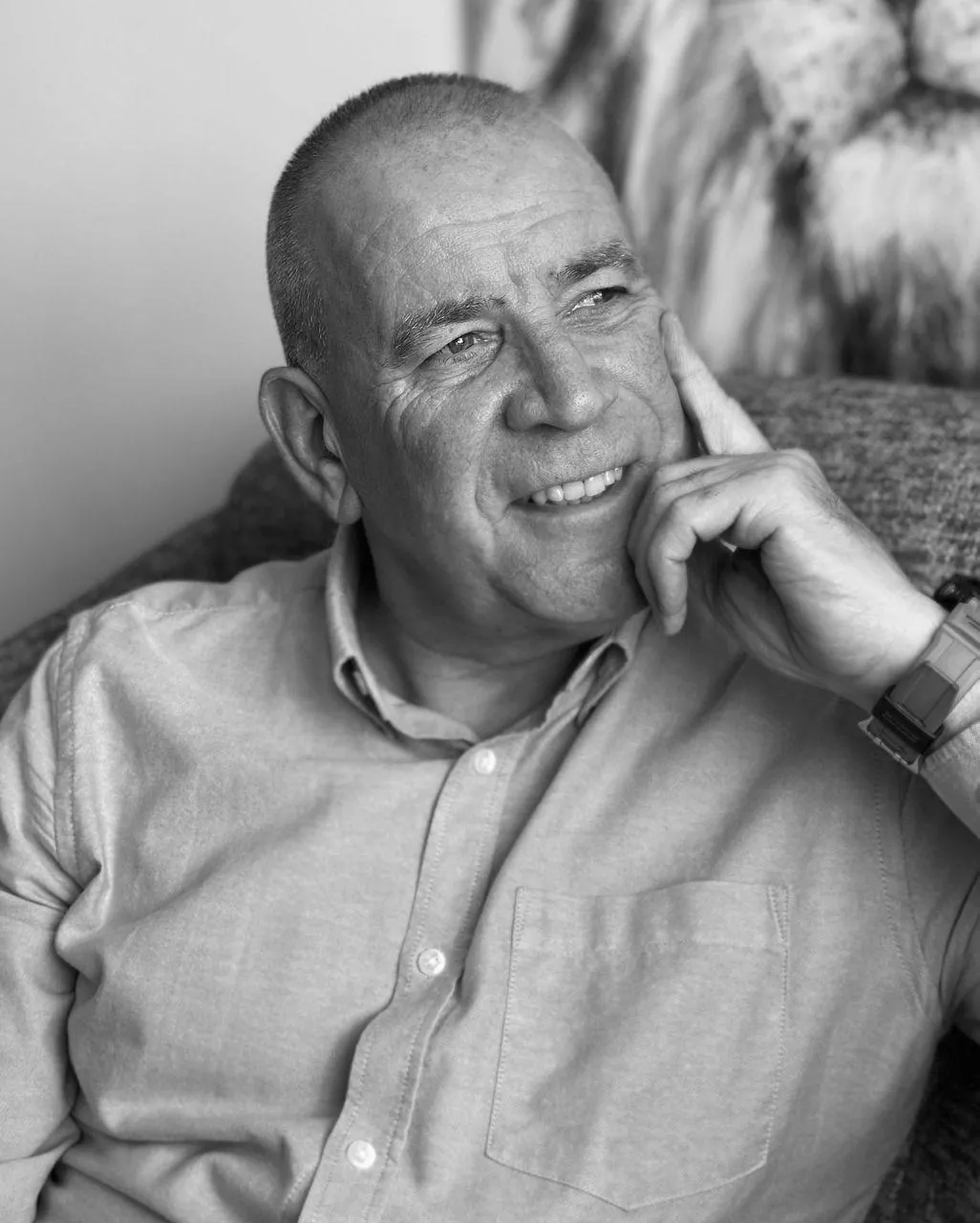
Tony Wand- Cerebral power conditioning
Why many workplace mental health initiatives fail to reduce stress in practice
How everyday work design quietly creates stress, absence, and burnout
Where managers unintentionally increase stress risk and how to change this
What prevention looks like at organisational, managerial, and leadership level
How to embed resilience into normal working practices, not bolt it on afterwards
Why This Event is Different
Most workplace mental health initiatives focus on helping individuals cope with stress after it has already taken hold.
This event focuses on prevention. It looks at how work is designed, how managers are supported, and how leadership decisions shape stress risk across the organisation, providing a practical framework that works alongside existing wellbeing support rather than replacing it.
Who Should Attend
Leaders responsible for performance, retention, and culture
HR and People professionals tackling stress-related absence or burnout
Managers under pressure to support wellbeing without clear guidance
Health, safety, and wellbeing professionals focused on prevention
About Your Host
Tony Wand is the founder of Cerebral Power Conditioning, where he helps UK organisations reduce work-related stress by addressing its root causes rather than relying solely on wellbeing platforms and support programmes.
Tony works with staff, managers, and leaders through interactive workshops, management coaching, and leadership consulting to reduce burnout-related turnover, improve productivity, and cut recruitment costs. His work focuses on bridging the gap between wellbeing policy and real-world organisational culture, helping organisations embed resilience into everyday work design and management practice.